Related

Why Random Workouts Are Killing Your Progress
Have you ever finished a workout completely exhausted, only to wonder a few weeks later why nothing has really changed?
You're sweating. Your heart rate is high. You're sore the next day. Yet somehow you're not noticeably stronger, leaner, or moving any better.
If that sounds familiar, you're not alone.
One of the biggest mistakes people make isn't that they're not working hard enough—it's that they're doing random workouts instead of following a structured training program.
The fitness industry has convinced us that variety is the key to results. Every day should be different. Every workout should surprise your body. New exercises, new formats, new challenges.
While that may keep workouts entertaining, it often comes at the expense of long-term progress.
Your body doesn't adapt to randomness.
It adapts to consistency.
Exercise Isn't the Same Thing as Training
There is a big difference between exercising and training.
Exercise is about moving your body. It burns calories, elevates your heart rate, and makes you feel like you've accomplished something. There's nothing inherently wrong with exercise, and it's certainly better than doing nothing.
Training, however, has a purpose.
Every workout builds upon the one before it. Strength increases gradually. Mobility improves intentionally. Conditioning progresses over time. Each session has a role within a larger plan.
Imagine trying to build a house.
One day you decide to pour a foundation. The next day you build part of a roof. Then you install windows before the walls exist. A week later you decide to work on plumbing.
You might stay busy, but you'll never finish the house.
Random workouts often work the same way.
You're always doing something, but nothing is connected.
Your Body Needs a Reason to Adapt
One of the fundamental principles of exercise science is called progressive overload.
Your body changes because you gradually ask it to do a little more than it could before.
That might mean lifting slightly more weight, performing an extra repetition, improving your movement quality, or increasing your work capacity over time.
Without progression, there is no reason for your body to become stronger.
Random workouts make progression nearly impossible.
If you're constantly changing exercises, rep schemes, and movement patterns, how do you know if you're actually improving?
Did your squat get stronger?
Is your balance better?
Has your shoulder mobility improved?
Can you produce more power?
If you aren't measuring progress, you're probably just measuring effort.
Those are two very different things.
More Sweat Doesn't Equal Better Results
Many people judge a workout by how tired they feel afterward.
If they're exhausted, they assume it was effective.
If they aren't sore the next day, they worry they didn't work hard enough.
But soreness isn't a measurement of progress.
Neither is sweat.
Some of the most effective training sessions you'll ever complete won't leave you crawling out of the gym. Instead, they'll leave you slightly stronger than you were yesterday.
Over weeks and months, those small improvements compound into meaningful change.
At Oak, we believe your workouts should have a purpose beyond making you tired. Every session should move you one step closer to your goals, whether that's becoming stronger, moving better, reducing pain, or preparing for an active life outside the gym.
If you're curious how we build long-term programs instead of random workouts, learn more about our Semi-Private Personal Training page or explore our Personal Training Services to see how individualized coaching creates lasting results.
The Biggest Problem with Random Workouts
Perhaps the biggest issue isn't that random workouts fail to produce results.
It's that they often ignore the individual.
Two people can walk into a gym with the exact same goal of "getting healthier."
One may have limited shoulder mobility.
The other may have recurring knee pain.
One has years of strength training experience.
The other hasn't exercised consistently in a decade.
Giving both people the exact same workout doesn't make sense.
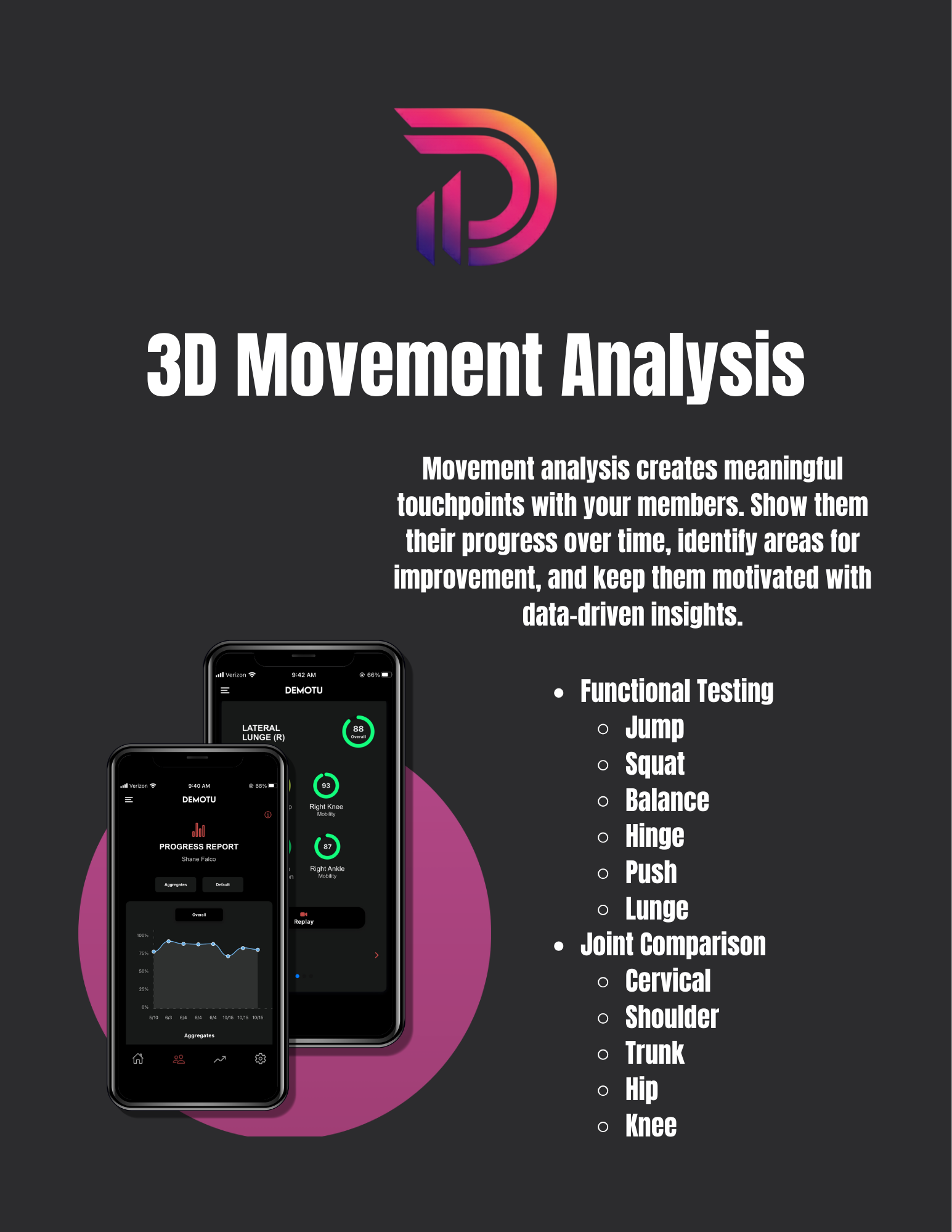
That's why every member at Oak begins with a movement assessment.
Before we prescribe exercise, we want to understand how your body moves, where your strengths lie, and what limitations could be holding you back.
If you haven't read it yet, check out our article on Why We Start With Assessments Instead of Workouts to learn why this first step is so important.
The Best Program Is the One You Can Progress
People often ask us what the "best" workout is.
The truth is, there isn't one.
The best program is the one that's designed around your body, your goals, and your ability to progress consistently.
It evolves with you.
As you become stronger, the program changes.
As your mobility improves, new movements are introduced.
As your confidence grows, so do the challenges.
That's what real coaching looks like.
It's not constantly changing for the sake of keeping things interesting.
It's changing because you've earned the next step.
Where Should You Start?
If you've been piecing together workouts from Instagram, YouTube, or whatever class happens to fit your schedule, don't feel discouraged.
Many people start there.
The important thing is recognizing that long-term progress comes from following a plan, not chasing the workout of the day.
If you're looking for a simple place to begin, download our free 45-Minute Performance Training Blueprint. It will show you how to structure your weekly workouts so each session builds on the last, helping you get stronger, move better, and make consistent progress without spending hours in the gym.
And if you're ready for a program designed specifically for your body and your goals, we'd love to help.
Schedule your complimentary Performance Assessment to discover how you move, identify what's holding you back, and receive a roadmap built around you.
Because fitness shouldn't be random.
It should be intentional.
And your results should reflect that.